

Texas Crash Reconstruction Consultant and Expert Witness
Triple R Investigations provides independent crash reconstruction, case review, visibility analysis, forensic visualization, and expert support for attorneys, insurers, investigators, and agencies handling serious or disputed motor vehicle collisions.
Independent Crash Reconstruction and Case Review
Attorneys do not need to know at the outset whether a case requires a complete crash reconstruction. In many matters, the most effective first step is a focused technical review of the evidence already available. Triple R Investigations can evaluate the materials, identify the principal reconstruction issues, assess the strengths and limitations of the evidence, and help determine whether additional analysis is warranted. This allows counsel to better understand the technical questions before committing to a broader reconstruction effort and helps define a scope of work that is appropriate to the actual needs of the case.
Physics-based reconstruction analysis
State-of-the-art software and 3D scanning
Forensic integrity and ethics you can trust
Clear reports and exhibits designed to communicate technical findings effectively
Clear, defensible analysis suitable for litigation and testimony

Preliminary Case Review
A preliminary review examines the available crash materials to identify the major technical questions and determine whether further reconstruction work is justified. This may include police reports, photographs, diagrams, video, witness information, electronic vehicle data, prior expert reports, and other relevant records provided by counsel.
Independent Reconstruction Analysis
When the evidence supports additional analysis, TRI can independently evaluate the collision sequence using appropriate reconstruction principles. The scope may address vehicle movement, speed, time, distance, roadway geometry, visibility, physical evidence, driver response considerations, or other case specific issues.
Technical Issue Identification
TRI helps identify the technical questions that may materially affect the case. This can include issues such as speed calculations, nighttime visibility, obstructed sight lines, perception response, roadway evidence, vehicle damage, video interpretation, or assumptions made in an existing reconstruction.
The review evaluates the quality, completeness, and usefulness of the available evidence. TRI considers whether the materials are sufficient to support reliable analysis and identifies limitations that may affect the strength of any resulting opinion.
Identification of Missing Evidence
A case review may reveal important evidence that has not yet been obtained. TRI can help counsel identify additional materials that may need to be requested or preserved, such as original video files, scene measurements, vehicle photographs, EDR data, scanner data, witness statements, or supplemental investigative records.
Review of Existing Conclusions
If law enforcement or another expert has already reconstructed the collision, TRI can independently evaluate the methodology, assumptions, calculations, and conclusions used. The purpose is not to disagree automatically, but to determine whether the existing opinions are reasonably supported by the available evidence.
Crash Reconstruction Services

A focused technical review of the available evidence to identify the primary reconstruction issues, assess evidence quality, determine what may be missing, and decide whether additional analysis is warranted.

Review of tire marks, gouges, debris, fluid evidence, final rest positions, roadway geometry, lane markings, and other physical evidence relevant to the collision.

Crash Reconstruction Consulting
Independent technical analysis of a collision using roadway evidence, vehicle evidence, measurements, photographs, video, and accepted reconstruction principles to evaluate how the crash developed.

Evaluation of impact areas, damage orientation, crush patterns, contact marks, transfer evidence, and vehicle geometry to understand the collision sequence.

Evaluation of vehicle speed, travel time, stopping distance, closing distance, braking relationships, and vehicle position during key points in the collision sequence.

Video and Photographic Analysis
Technical review of surveillance video, dash camera footage, body worn camera footage, traffic video, and photographs to evaluate timing, movement, position, and possible speed relationships.

Nighttime Visibility and Sight Distance
Analysis of roadway lighting, headlamp illumination, sight distance, contrast, roadway geometry, and the point at which a hazard may have become detectable to a driver.

Use of 3D scanning, point clouds, photogrammetry, Recon3D, CloudCompare, AnalyzerPro, and CSI360 to evaluate and communicate spatial relationships and reconstruction findings.

Evaluation of when a hazard may have become recognizable, how much time and distance remained, and whether braking, steering, or another response could have altered the collision sequence.

Opposing Expert Review
Independent evaluation of another reconstructionist's methodology, measurements, assumptions, calculations, diagrams, video analysis, and conclusions to determine whether they are supported by the evidence.
Nighttime Visibility, Perception, and Avoidability
A nighttime collision cannot always be explained by vehicle speed and stopping distance alone. In many serious crashes, the more important question is when a developing hazard became sufficiently visible and recognizable to the driver, and how much time and distance remained to respond.
Triple R Investigations evaluates roadway geometry, lighting, traffic conditions, vehicle position, sight distance, visual obstructions, hazard characteristics, and available response opportunity. The objective is to determine what the evidence can reasonably establish about the driver's developing visual environment.
Vehicle speed is an important reconstruction variable, but speed alone does not establish when a hazard became detectable or whether sufficient time and distance were available for a driver to respond.

Visibility and Sight Distance
Visibility analysis involves more than determining whether an object was somewhere within a driver's theoretical line of sight.
Depending on the case, TRI may evaluate roadway curvature and grade, available sight distance, headlamp illumination, street lighting, lane position, hazard orientation, contrast, roadway background, and environmental conditions.
An object may physically exist within a potential sight line before sufficient visual information is available for a driver to recognize it as a roadway hazard.
Obstructions and Developing Hazards
Other traffic can materially affect what a driver is able to see.
A preceding or adjacent vehicle may temporarily obstruct a stopped vehicle, disabled vehicle, pedestrian, debris, collision scene, or another vehicle positioned within the roadway.
This creates a dynamic visibility problem. A roadway may provide substantial geometric sight distance when empty while the actual driver's unobstructed view was much shorter because another vehicle occupied the visual corridor.
A preceding vehicle may also begin moving around a hazard before the following driver has the same visual information.
Perception Response and Available Time
Once a hazard becomes sufficiently detectable, the driver still must interpret the situation and initiate a response.
Perception response may involve:
-
Detecting the stimulus
-
Recognizing what it represents
-
Assessing the developing conflict
-
Selecting a response
-
Initiating that response
There is no single response-time value that automatically applies to every crash. The appropriate analysis depends on how the hazard developed, whether it was expected or unexpected, the information available to the driver, and the response required.
When supported by the evidence, TRI may evaluate the distance traveled during the available response period and how that relationship affected braking, steering, or other possible actions.
Related Resource: Pedestrian Crash Reconstruction, Visibility, Speed, and Avoidability Analysis →
Providing Attorney Support Throughout Texas
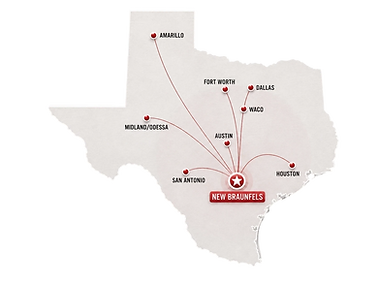
Based in the New Braunfels area, Triple R Investigations serves clients across Texas, including San Antonio, Austin, Fort Worth, Dallas, Houston, Waco, and surrounding areas.
R. Ryan Rider, Ph.D.
Crash Reconstructionist | Expert Witness
With over 30 years of investigations and analysis experience, Dr. Rider provides objective, science-based opinions that help attorneys and juries understand what really happened.
30 + years of law enforcement experience
Crash investigation and reconstruction experience
Ph.D. in Criminal Justice
Advanced 3D and forensic technology
Experienced law enforcement and university instructor
Independent, evidence-based analysis


Frequently Asked Questions
When should an attorney retain a crash reconstruction expert?
An attorney should consider retaining a crash reconstruction expert when the cause, sequence, speed, visibility, driver response opportunity, roadway evidence, vehicle movement, or technical conclusions surrounding a collision are disputed or may materially affect the case. Early involvement can be especially valuable when evidence may later be altered, repaired, overwritten, or lost. A preliminary case review can also help determine whether a full reconstruction is actually necessary.
Can nighttime visibility be reconstructed?
In many cases, yes. A nighttime visibility analysis may evaluate roadway geometry, available sight distance, street lighting, headlamp illumination, contrast, background conditions, vehicle positioning, traffic obstructions, and the location and orientation of the hazard. The goal is to determine what visual information may have been available to the driver and when the developing hazard may have become detectable or recognizable.
Does speeding automatically mean a crash was avoidable?
No. Speed is an important reconstruction factor because it affects distance traveled, available time, braking distance, and collision severity. However, avoidability also depends on when the hazard became detectable, available sight distance, lighting, traffic obstruction, lane position, roadway geometry, perception response considerations, and the physical opportunity to brake or steer. A speed violation by itself does not establish whether the driver had enough information, time, and distance to avoid the collision.
What is perception response time?
Perception response time refers to the period between the availability of a relevant hazard and the driver's initiation of a response. The process may include detecting the stimulus, recognizing what it represents, assessing the situation, selecting a response, and beginning that response. There is no single reaction-time value that automatically applies to every crash. The appropriate analysis depends on the circumstances of the event, the visual environment, the nature of the hazard, and the response required.
What evidence should be preserved after a serious crash?
Important evidence may include police reports, scene photographs, vehicle photographs, roadway measurements, diagrams, surveillance video, dash camera footage, body worn camera video, traffic camera recordings, witness statements, EDR or CDR data, 3D scanner or point cloud data, drone imagery, vehicle inspection information, and prior expert reports. Original digital files should be preserved whenever possible because compressed copies, screenshots, or social media versions may remove information needed for technical analysis.
Can another vehicle obstruct a driver's view before a collision?
Yes. A preceding or adjacent vehicle can temporarily block a driver's view of a stopped vehicle, pedestrian, debris, or other roadway hazard. This is particularly important when the obstructing vehicle changes lanes or moves around the hazard shortly before impact. In those cases, the relevant question may be when the hazard first became sufficiently visible to the following driver, rather than the maximum sight distance measured on an empty roadway.
Can surveillance or dash camera video be used to estimate vehicle speed?
Sometimes. Video can support speed, time, distance, position, and movement analysis when the recording contains sufficient technical information. Factors such as frame rate, resolution, camera perspective, lens distortion, known reference dimensions, timing accuracy, and file compression all affect whether a reliable estimate can be made. TRI first evaluates the quality and limitations of the recording before determining whether a defensible video-based speed analysis is possible.
Can TRI review another reconstructionist's report?
Yes. TRI can independently evaluate another reconstructionist's methodology, measurements, assumptions, calculations, diagrams, video analysis, physical evidence, and conclusions. The purpose is not to disagree simply because TRI was retained by another party. The question is whether the analysis and opinions are reasonably supported by the available evidence and accepted reconstruction principles.

Crash Reconstruction Resources
Pedestrian Crash Reconstruction: Visibility, Speed, and Avoidability Analysis
3D Scanner Use In Crash Scenes
Analyzer Pro / Advanced Digital Crash Analysis

Let's Discuss Your Case
Have a Serious or Disputed Crash Case?
An initial technical review can help identify the key reconstruction issues, evaluate the available evidence, and determine whether additional analysis is warranted.
682-325-1442
