
Courage in Crisis: Honoring the Heroes Who Stood Against Active Shooters
- Dr. R. Ryan Rider

- Sep 28, 2025
- 5 min read

Introduction: The Human Face of Heroism
When gunfire erupts in a school, workplace, church, or public space, seconds determine whether lives are saved or lost. Active shooter incidents have become an urgent public safety crisis in the United States. The FBI reports that between 2000 and 2022, there were 433 active shooter events, claiming over 1,100 lives and injuring more than 1,800. While headlines often focus on perpetrators, it is the ordinary people who perform extraordinary acts of courage in these moments that deserve equal recognition.
These heroes, teachers, students, police officers, clergy, journalists, and everyday civilians remind us of the human instinct to protect others, even at great personal risk. Their sacrifices also teach us critical lessons about preparedness, training, and resilience.
In this blog, we examine documented heroes from active shooter incidents that have occurred over the past six decades. Their stories not only memorialize bravery but also underscore the importance of active shooter training, situational awareness, and community preparedness.
Heroes Across Decades of Tragedy
University of Texas Tower Shooting – 1966

The nation’s first major campus massacre unfolded on August 1, 1966, when a sniper opened fire from the University of Texas Tower in Austin. Sergeant Ramiro “Ray” Martinez, Officer Houston McCoy, and Jerry Day of the Austin Police Department, supported by civilian Allen Crum, stormed the observation deck and neutralized the shooter. Their actions ended a rampage that killed 14 and wounded 31, setting an early precedent for coordinated police and civilian bravery.

Columbine High School – 1999
At Columbine High School, biology teacher Dave Sanders shepherded dozens of students out of danger, locking doors and directing them to safety before he was fatally shot. Survivors credit Sanders with saving countless lives through his calm and decisive leadership.
Virginia Tech – 2007

On April 16, 2007, the deadliest school shooting in U.S. history claimed 32 lives. Among them was Professor Liviu Librescu, a Holocaust survivor, who barricaded his classroom door while students escaped through windows. Students Derek O’Dell and Zachary Petkewicz joined him in resisting the attacker. Their final acts exemplify sacrifice for the sake of others.


Fort Hood – 2009

During the mass shooting at Fort Hood Army Base, Sergeant Kimberly Munley and Sergeant Mark Todd, Department of Defense police officers, charged into danger. Munley confronted the gunman at close range while Todd delivered the disabling shots that ended the attack. Their quick response prevented further bloodshed.
Sikh Temple of Wisconsin – 2012

When a gunman attacked the Sikh Temple in Oak Creek, temple president Satwant Singh Kaleka fought back with a knife, buying precious seconds for congregants to escape. Paramjit Kaur, prioritizing her children over her own safety, ensured her sons fled before she was killed. Their courage highlighted the community’s resilience in the face of targeted hate.
Sandy Hook Elementary – 2012

In Newtown, Connecticut, Principal Dawn Hochsprung and school psychologist Mary Sherlach ran toward gunfire in a desperate attempt to stop the attacker. Victoria Soto hid her students in a closet, told the shooter her children were in the gym, and she was killed. Teachers across the school shielded children in closets, bathrooms, and behind barricaded doors. Their split-second decisions saved many, even as the tragedy claimed 26 innocent lives.

Washington Navy Yard – 2013
As chaos unfolded in Washington, D.C., Gerald “Jerry” Read, a cybersecurity specialist, pushed a colleague under a desk and shielded her escape by dragging furniture across the doorway. He was killed, but his sacrifice allowed others to live.
Fort Hood (Second Attack) – 2014

During a second attack at Fort Hood, 1st Lt. John M. Arroyo Jr., though gravely wounded, shouted warnings to others. His actions, carried out while bleeding heavily, gave others precious time to escape. He was awarded the Soldier’s Medal for his valor.
Seattle Pacific University – 2014

In Seattle, student Jon Meis subdued a gunman mid-reload with pepper spray and physical restraint. With help from another student, he held the shooter until police arrived. His courage prevented what could have been a mass-casualty tragedy.
First Baptist Church, Sutherland Springs – 2017

When a gunman attacked a Texas church, Stephen Willeford, a firearms instructor, ran barefoot into the firefight, striking the assailant. Johnnie Langendorff joined him in a vehicle pursuit that cornered the gunman. Their intervention saved untold lives.
Marjory Stoneman Douglas High School - 2018

In Parkland, Florida, teacher Ernest Rospierksi shielded students and led evacuations during pauses in gunfire. Though wounded, he refused to abandon his students, ensuring many survived.
Capital Gazette – 2018

When a gunman stormed the Annapolis newsroom, reporter Wendi Winters charged him with a recycling bin and trash can, buying precious seconds for colleagues to escape. She was killed but was later posthumously awarded the Carnegie Medal.
Robb Elementary School – 2022

In Uvalde, Texas, teacher Eva Mireles positioned herself between the gunman and her students. Though fatally shot, her shield protected several children, some of whom credited her with their survival.
Covenant School – 2023

Head of school Katherine Koonce ran toward the sound of gunfire in Nashville, confronting the attacker before being killed. Investigators concluded her actions limited the shooter’s access to children, reducing the scope of the tragedy.
Lewiston Spree Shooting – 2023

At a bowling alley, employees Jason Walker and Michael Deslauriers II rushed the gunman in a selfless attempt to disarm him, losing their lives in the process. At a nearby bar, another patron turned off the lights and power, creating confusion that allowed others to escape.
What We Learn from These Heroes
1. Split-Second Decisions Save Lives
Many heroes had no training beyond instinct and courage, yet their actions bought precious time. Training enhances these instincts, improving survival chances.
2. Civilians Play a Critical Role
From Allen Crum in 1966 to bar patrons in 2023, civilians have consistently acted with bravery. Empowering communities with active shooter survival training multiplies resilience.
3. Schools Are on the Front Lines
Teachers and administrators, from Dave Sanders to Eva Mireles, illustrate that educators often become first responders. Their sacrifices underline the urgency of preparing schools with realistic training programs.
4. Courage Is Contagious
Heroes inspire action in others. At Seattle Pacific, Jon Meis’s bravery galvanized classmates to assist. At Sutherland Springs, Willeford’s stand emboldened Langendorff to join the pursuit.
The Role of Training and Preparedness
While instinct drives courage, training provides structure and confidence. Programs like TRI’s ALIVE Active Shooter Survival Training equip individuals with practical steps: Assess, Leave, Impede, Violence, and Expose. AR/VR technology further enhances preparedness by simulating high-stress environments in a safe and effective manner.
Studies show that organizations with structured active shooter training experience up to 60% faster evacuation times and improved survival rates compared to untrained groups. Integrating training into schools, workplaces, and public spaces ensures that courage is paired with competence.
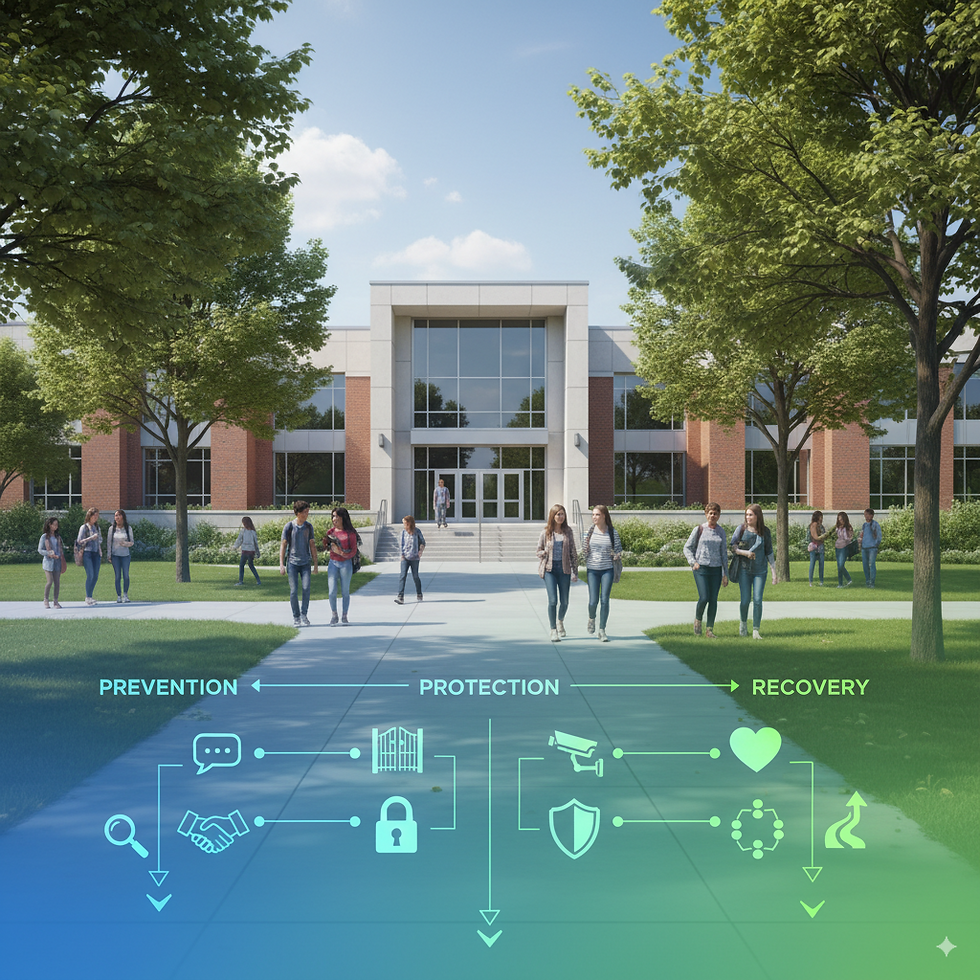
Conclusion: Protect, Prevent, Prepare

The men and women remembered here, teachers shielding children, officers rushing snipers, civilians tackling gunmen, reflect the best of humanity in the worst of circumstances. Their legacies remind us that while evil seeks to destroy, courage fights back.
At Triple R Investigations, we honor these heroes not only by telling their stories but also by preparing communities to act. Through ALIVE Active Shooter Survival training, AR/VR law enforcement training, and 3D forensic technologies, we empower individuals and organizations to protect, prevent, and prepare for crises.
Because when the unthinkable happens, heroes are not born, they are prepared.

Comments